Performance marketing has become the backbone of e-commerce growth. Unlike traditional marketing, it focuses on measurable results—clicks, leads, and conversions.
In 2026, performance marketing is no longer optional—it’s essential.
What is Performance Marketing?
Performance marketing includes:
- Paid ads (Google, Meta)
- Affiliate marketing
- Conversion-focused campaigns
You only pay when you get results.
1. AI-Driven Ad Optimization
AI tools now:
- Optimize ad creatives
- Adjust bidding strategies
- Predict user behavior
This reduces manual effort and increases ROI.
2. First-Party Data is King
With privacy changes, tracking is limited. Businesses must:
- Build email lists
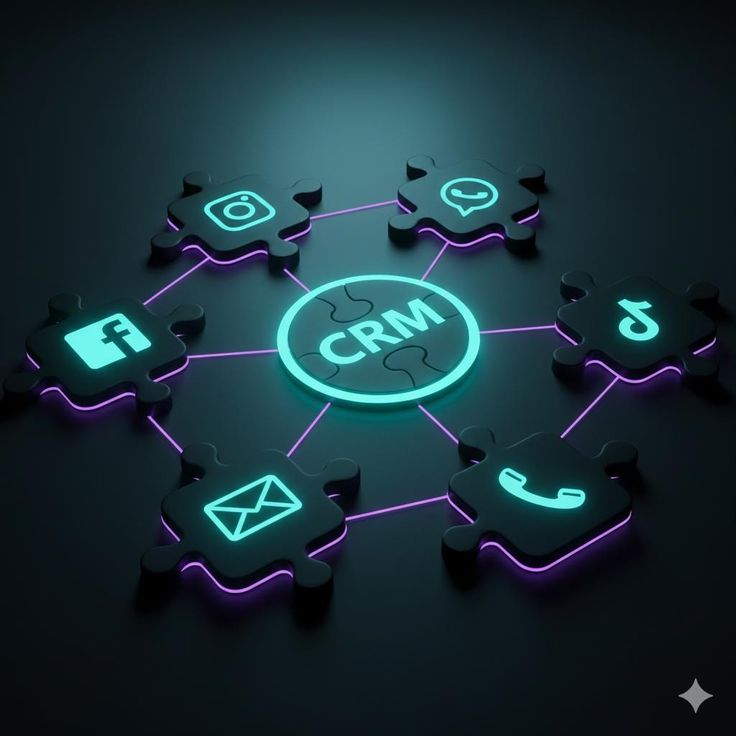
- Use CRM systems
- Collect user data ethically
3. Creative Testing is Crucial
The success of ads depends more on creatives than targeting.
Winning brands test:
- Multiple ad copies
- Different visuals
- Various hooks
A high-converting funnel includes:
- Awareness (ads)
- Consideration (content)
- Conversion (landing page)
Step 2: Landing Page Optimization
Even the best ads fail without a good landing page.
Focus on:
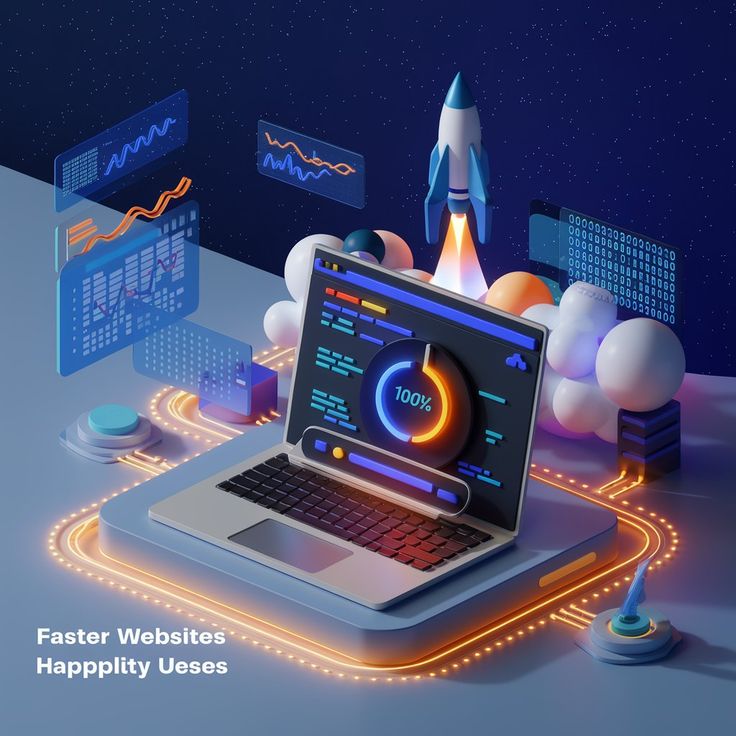
- Fast loading speed
- Clear CTA
- Trust signals
Step 3: Retargeting Campaigns
Most users don’t convert on the first visit. Retarget:
- Website visitors
- Cart abandoners
- Social media engagers
SEO + Performance Marketing = Growth
Many businesses ignore SEO in paid campaigns. But combining both:
- Reduces ad costs
- Improves trust
- Increases conversions
- Running ads without tracking
- Ignoring data
- Using generic creatives
Performance marketing in 2026 is about data, creativity, and automation. Businesses that leverage AI while focusing on user experience will see the highest returns.
👉 Invest in both ads and SEO to build sustainable growth.